Skilled with your hands? Why Australia's trade shortage may suit Vietnamese workers
Tips · 2026-09-07 · 3 min read
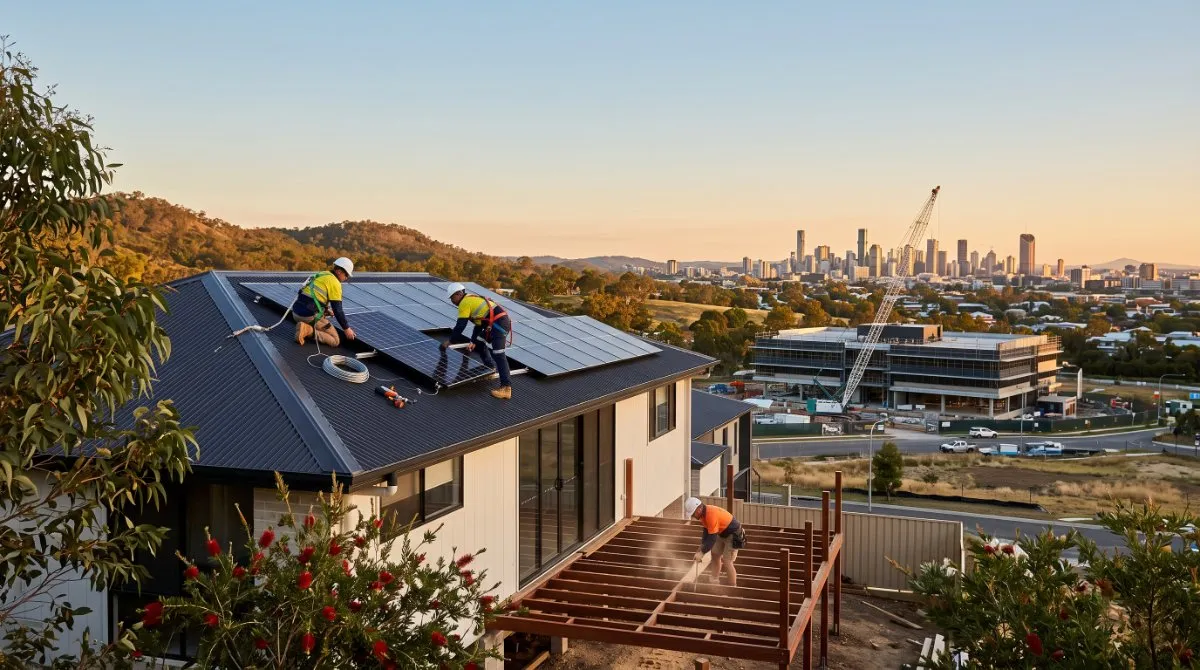
Do you have a trade? Maybe you are an electrician, a plumber, a carpenter or a bricklayer. Then this news is for you. Australia needs people with trade skills, and the need is not small and not short term.
Why is Australia short of tradespeople?
Australia is building homes. It is changing to clean energy. It is building roads, rail and other projects. All of these need the same workers. Research ordered by the government found shortages in every major construction trade at some point in the past five years. Today, close to half of trade jobs in construction still do not have enough workers across the country.
More young people are starting apprenticeships again. Carpentry, plumbing and electrical numbers have all gone up over the last year. But it takes years to train a fully qualified tradesperson. Australia cannot fill the gap fast enough alone. This is why trade jobs often appear on priority migration lists.
What about pay?
A licensed electrician with a specialist or commercial business can earn six figures. That can be more than many office jobs for graduates in the same city. Solar installation is also growing, because homes and businesses want lower energy bills.
Doctors, lawyers and company leaders still earn the most. But trade workers now earn more than before. The idea that a degree always pays more than a trade certificate is not always true.
What about AI?
Many people worry that AI will take desk jobs. Trade work is different. A computer can write a report. It cannot climb into a roof, find a fault in old wiring or fit a solar system. One tradesperson who became a business owner in Adelaide said that AI may bring new tools, but people still must fit, wire and maintain them.
What should you do?
Here are practical points for Vietnamese workers:
- Know that the need is long term. It comes from big housing and infrastructure programmes, not a short event.
- Get your skills recognised. Vietnamese vocational certificates are usually assessed again in Australia. This is called a skills assessment. It is often the real delay, not the lack of jobs. Start early.
- Look at regional and skilled visas. They can be a realistic way in, especially in states with high demand.
- Prepare your documents. Visa rules may ask for certified English translations of Vietnamese documents. If a police certificate is requested, the usual one is the Judicial Record Certificate (Phiếu lý lịch tư pháp). Some visas or employers ask for an English test such as IELTS or PTE.
- Think about your own business later. Many migrant tradespeople in Australia became owner-operators within a few years.
Please stay safe. Deal only with licensed organisations and real employers. Never pay an unlicensed broker. Be careful if someone asks for money upfront to secure a job or a visa.
What industry groups ask for
Industry groups want tradespeople to get a bigger share of the skilled migration places. They say the system does not use skilled migrants who are already in Australia well enough. They also say that recognising overseas qualifications is too slow. You can read the official visa rules on the visa listing page.
Hopeful, and still practical
Universities still lead to medicine, law and senior business work, and they are still expected to give most future job growth. But hands-on jobs cannot be done by software, and cannot be sent to another country. For skilled tradespeople, this is a hopeful time. Take one step at a time: check your skills, plan your assessment and keep your papers ready.
#trade jobs #australia #vietnamese workers #skills assessment #electricians #skilled visa
 Is Australia's building gap a chance for Vietnamese plumbers and carpenters?
 Software engineers from Vietnam: is Australia still your only plan?
 Worried about Australia's migration news? What Vietnamese workers can do now